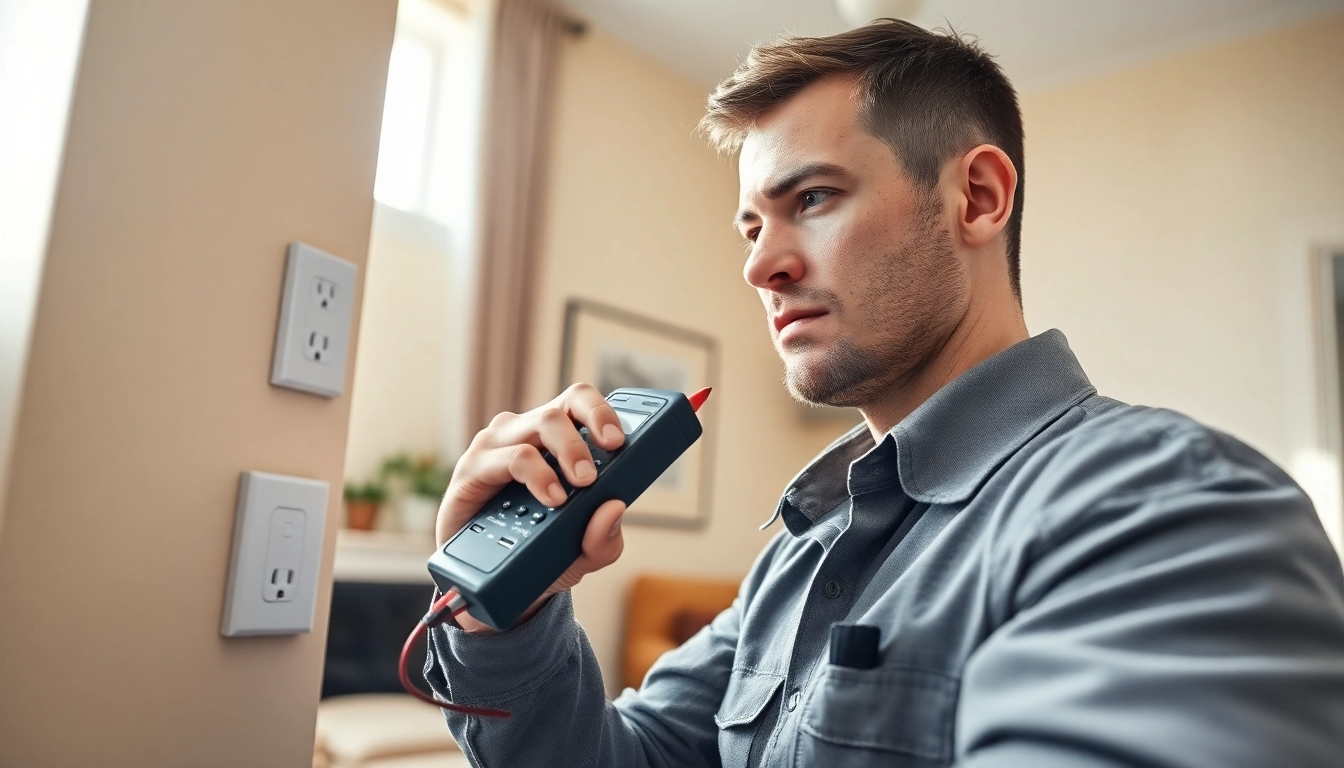
Understanding Electrical Home Inspection
In the world of home ownership, few aspects are as critical as understanding the electrical systems within our living spaces. An electrical home inspection is a vital process that not only helps to ensure safety but also contributes to the longevity and efficiency of a home’s electrical system. This guide takes a deep dive into the necessity of these inspections, common issues that arise, and who is qualified to perform them, thereby equipping homeowners with the knowledge needed to maintain a safe and functional living environment.
The Importance of Electrical Home Inspection
An electrical home inspection serves as a thorough examination of the electrical components of a dwelling. It is essential for several reasons:
- Safety: Faulty wiring or outdated electrical systems pose serious risks, including fire hazards and electrical shocks. An inspection identifies potential dangers before they result in accidents.
- Regulatory Compliance: Adhering to local electrical codes and regulations protects homeowners from legal liabilities. Inspections ensure that installations meet safety standards.
- Property Value: For homeowners looking to sell, a clean electrical inspection report can significantly enhance the property’s value and appeal. It instills confidence in potential buyers regarding the reliability of the electrical system.
- Preventive Maintenance: Identifying issues early on can save homeowners from costly repairs down the line. Regular inspections serve as a proactive approach to home maintenance.
Common Issues Found in Electrical Inspections
During an electrical home inspection, professionals typically identify various issues that can compromise the functionality and safety of the electrical system. Some of the most commonly found problems include:
- Outdated Wiring: Homes wired with aluminum or knob-and-tube wiring are at greater risk of failure. Modern copper wiring is generally preferred for safety and efficiency.
- Overloaded Circuits: Circuits that are overloaded can lead to overheating and increase the risk of fires. Inspectors will evaluate the load requirements versus the circuit capacity.
- Improperly Installed Fixtures and Outlets: Ill-installed outlets and fixtures can lead to inefficiency and pose electrocution risks. Inspectors will check for proper grounding and installation standards.
- Lack of GFCI Outlets: Ground Fault Circuit Interrupter (GFCI) outlets are necessary in areas where water is present (kitchens, bathrooms). Their absence is a significant red flag.
- Wear and Tear: Aging components, such as circuit breakers or fuses, can affect performance. Inspectors will look for signs of rust, degradation, or mechanical failure.
Who Should Perform an Electrical Home Inspection?
Not every individual can conduct a reliable electrical home inspection. It requires a blend of expertise and certification. The following professionals are qualified to carry out these inspections:
- Licensed Electricians: Trained electricians possess the practical experience and knowledge necessary to identify issues accurately.
- Electrical Inspectors: Individuals who specialize in home inspections and have credentials in electrical systems can provide extensive evaluations.
- Home Inspectors: General home inspectors often have training in electrical systems and can conduct a basic assessment, though it’s advisable to seek an electrical specialist for a comprehensive review.
Preparing for Your Electrical Home Inspection
Preparation is key for any home inspection, especially for an electrical home inspection. As a homeowner, ensuring that the process goes smoothly requires an understanding of what to expect, how to prepare, and what questions to ask.
Checklist of Pre-Inspection Tasks
Prior to an inspection, there are several tasks homeowners can complete to facilitate the process:
- Clear Access to Panels: Ensure that any electrical panels are accessible and clear of clutter. Inspectors need unobstructed access to examine these critical components.
- Document Existing Issues: If you are aware of any electrical problems, documenting them can provide valuable insights to the inspectors.
- List Any Modifications: If you’ve made electrical modifications or upgrades, make a note of these to discuss with the inspector.
- Conduct a Self-Assessment: Walk through your home and check for signs of electrical issues, such as flickering lights or frequently tripped breakers, to address these during the inspection.
- Review Past Inspection Reports: If available, reviewing prior inspection reports can help you understand previous issues and gauge improvements or ongoing problems.
Common Questions Homeowners Might Have
As you prepare for your electrical home inspection, you may have various concerns or questions. Some common inquiries include:
- How long will the inspection take? Typically, an inspection can last anywhere from 1 to 2 hours, depending on the complexity of the home’s electrical systems.
- What will the inspector evaluate? Key components such as the main electrical panel, wiring, receptacles, and grounding systems will be assessed.
- Do I need to be home during the inspection? While it’s not mandatory, being present allows you to ask questions and gain insights directly from the inspector.
- What happens if issues are found? Inspectors will provide a report detailing any issues, along with recommendations for repairs or further evaluation.
Understanding the Inspection Process
The inspection process is straightforward, but being familiar with it can relieve anxiety and help you understand what to expect:
- Initial Review: The inspector will begin with an initial walk-through to identify any visible issues or particular concerns of the homeowner.
- Comprehensive Examination: After a brief review, the inspector will conduct a detailed examination of electric panels, wiring conditions, and outlets.
- Testing: Many inspectors have tools for testing circuit outputs and other functionalities, assessing compliance with electrical codes.
- Reporting: Once inspection is complete, a report detailing findings and recommendations will be compiled to assist homeowners with necessary actions.
What to Expect During an Electrical Home Inspection
Anticipating what takes place during an electrical inspection can help align your expectations. Here, we examine critical areas of focus, tools used by inspectors, and what costs you may incur.
Key Areas of Focus in an Electrical Home Inspection
The inspection generally covers several crucial elements, including:
- Main Service Panel: This is the heart of your electrical system, where the power from the street enters your home. Inspectors check for any signs of moisture, corrosion, or burnt wiring.
- Wiring: Inspectors will check for correct installation, proper grounding, and adherence to current electrical codes. Inspects will also check for any signs of wear.
- Outlets and Switches: Each outlet will be assessed for functionality, grounding, and safety features like GFCI in wet areas.
- Grounding Systems: The grounding system protects from electrical surges, and inspectors will evaluate its integrity.
- Smoke Detectors and Carbon Monoxide Alarms: These safety devices will be checked to ensure proper placement and functionality.
Tools Used in Electrical Home Inspections
Inspectors utilize a variety of tools to ensure a thorough evaluation:
- Multimeter: Used to measure voltage, current, and resistance, providing insights into the health of electrical components.
- Electrical Tester: This tool checks outlets for proper grounding and functionality, identifying unsafe conditions.
- Thermal Imaging Camera: Inspectors often employ this technology to identify hotspots and overheating wires within walls.
- Voltage Tester: This device allows inspectors to confirm that power sources are functioning and safe to operate.
- Circuit Analyzer: This tool assesses circuit performance, identifying overloads and potential issues.
Duration and Costs of Inspections
Understanding the potential duration and costs of an electrical home inspection helps in planning:
- Duration: The length of the inspection greatly depends on the size of the home and the complexity of its electrical system. Generally, expect between 1 to 2 hours.
- Costs: Costs for inspections vary, typically ranging from $200 to $500 based on home size, location, and complexity. Additional fees may apply for specialized services or extensive follow-ups.
Post-Inspection: Outcomes and Recommendations
Once the inspection is complete, homeowners will receive a report summarizing findings. Understanding these outcomes and potential next steps is crucial for maintaining safety and efficiency.
Understanding Your Inspection Report
Your inspection report serves as the primary document illustrating the assessed electrical conditions of your home.
- Clarity: The report should concisely outline findings, including identified problems and the degree of severity.
- Recommendations: Inspectors will often provide suggested actions based on their findings, which range from immediate repairs to future upgrades.
- Visual Aids: Many reports include photographs or diagrams to help clarify observations and recommendations.
Recommendations for Repairs and Upgrades
Identifying repair needs is a crucial outcome from the inspection process. Recommendations might include:
- Wiring Repairs: If outdated or damaged wiring is identified, prompt repair or replacement is often necessary.
- Panel Upgrades: Homes with older or insufficient main service panels may need upgrades to meet modern electrical demands and enhance safety.
- GFCI Installation: Ensuring GFCI outlets are installed in required areas can provide immediate safety enhancements.
- Surge Protection: Installing a surge protector can safeguard home electronics from power surges, preventing damage.
How to Address Electrical Issues Found
Addressing identified issues properly is essential for maintaining a safe electrical environment. Consider these guidelines:
- Hire Qualified Professionals: For any required repairs or upgrades, enlisting licensed electricians ensures that all work complies with current standards.
- Prioritize Severity: Address immediate safety risks first, followed by necessary upgrades or less urgent repairs.
- Document Repairs: Keep detailed records of all repairs and upgrades made, as these can be beneficial for future inspections or resale.
Maintaining a Safe Electrical System in Your Home
Long-term safety and efficiency rely on best practices for maintaining your electrical system. Following these guidelines can contribute to a safer home environment.
Best Practices for Home Electrical Safety
To maintain a safe electrical system, homeowners should consider the following best practices:
- Regular Inspections: Schedule periodic inspections every few years, or more frequently if your home has older systems or has undergone significant changes.
- Know Your System: Familiarize yourself with your electrical system, including the layout and the purpose of various components.
- Instill Safe Usage Practices: Educate all household members about safe electrical practices, including proper use of appliances and the importance of not overloading circuits.
- Stay Alert: Be vigilant for signs of electrical issues, such as flickering lights or unusual odors, and address them immediately.
When to Schedule Regular Inspections
Determining when to have your electrical system inspected can vary based on several factors:
- Age of your Home: Older homes should have their electrical systems inspected more frequently, ideally every 5 years.
- Renovation Work: Whenever electrical work is conducted or rooms are renovated, a follow-up inspection is advisable.
- Safety Concerns: If you experience issues like frequent tripping of breakers or flickering lights, schedule an inspection promptly.
Resources for Homeowners on Electrical Safety
To enhance safety awareness and empower homeowners, numerous resources are available:
- Local Utilities: Many utility companies provide resources and sometimes programs for assessing home electrical safety.
- Online Educational Platforms: Websites dedicated to home improvement offer tutorials, safety tips, and guidelines for electrical safety.
- Professional Organizations: Associations like the National Fire Protection Association (NFPA) offer guidelines on electrical safety standards.
In summary, understanding the intricacies of electrical home inspection is crucial for homeowners. By committing to safety, being proactive in maintenance, and leveraging available resources, you can cultivate a safe and efficient electrical environment in your home.